
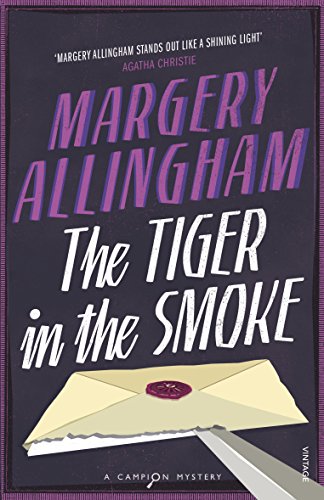
 This is a wonderful book, written in 1952 describing events in London in 1949 so the dense toxic London fog is a prominent feature. The writing is fabulous with words like lugubrious (full of sadness or sorrow). Although this book is identified as a Mr Campion Mystery, there is little emphasis on the police. Instead the psychology of different individuals (criminal and non-criminal) is described in detail: what is goodness and what is evil. This is a totally fun read; thanks Amy*!
*Amy says: “Erin and I picked it up in one of those wee community library houses on the way to the Folk Festival – sheer luck that it was good!”
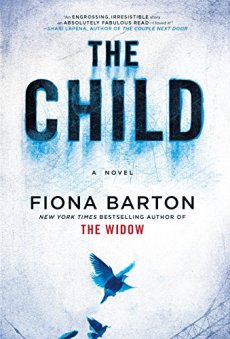 Barton’s very successful debut novel, The Widow, was going to be a tough act to follow, and admittedly The Child is not as good. However, there are some very strong aspects to this second novel. Once again, this is a well-written psychological thriller/mystery. What is the relationship between skeletal remains of a child found in a construction site with a child abduction case from the 1970s? Also this is a story almost entirely about women including Kate, the intrepid reporter from The Widow. Male characters other than the plodding police are either inconsequential or sleaze balls. And finally, one of the female characters has incredibly poor parenting skills, setting up the engrossing question – what will she say/do next? Overall, this is a book that becomes hard to put down.
 Sometimes a story can capture time and place perfectly, and this book is a prime example of that success. The time is 1981; the place is a Great Lakes steamship. And Kate is a rebellious 19 year-old: too much drinking, too much casual sex in a very sexist environment. Her reckless lifestyle has an incredible intensity that is intoxicating. A very good read.
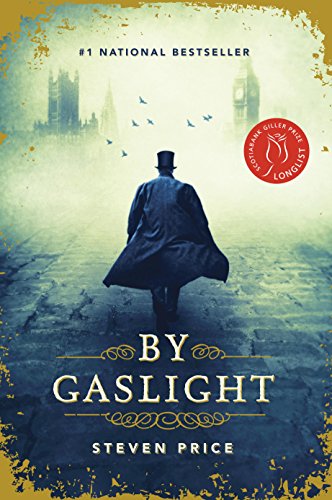 Generally I read mostly contemporary fiction but the historical fiction presented in this book is fascinating and entertaining because of a vivid description of context: the American Civil War with violence and sickness and cruelty, and London in 1885 with orange-yellow fog and a trip into the sewers! The book describes an intricate cat-and-mouse conflict between two men over several decades: a master and mysterious thief and an obsessed detective (a Pinkerton). The back story unfolds in many flashbacks, the classic slow reveal of motives and actions. Very enjoyable.
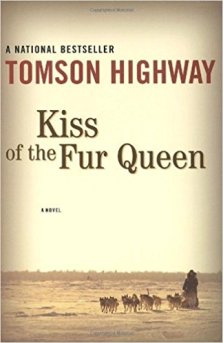 Given the struggles with reconciliation and ongoing issues of cultural appropriation, I have decided to read more Indigenous authors. This novel begins in Northern Manitoba in 1951 with fishing and hunting as dominant activities in a simple but harsh life. Two brothers experience abuse at a Residential School and then settle in Winnipeg where alienation and estrangement complicates their struggle to survive. Dance and music provide a welcome respite. Although emotionally complex, the novel has a triumphant tone. And throughout, the brothers are watched over by the trickster fur queen. An excellent look at remarkable changes in Indigenous life over a 40 year period.
 A gritty angst-filled guy book set in West Newfoundland. The context – geography and people- is described perfectly. A father and son are paralyzed by grief, so they retreat and psychologically “run away” into a life of drink and anger. The book then becomes a murder mystery with deception and lies and misunderstandings. Annoying behaviour to be sure but the descriptions of the people in a fishing outport trying, usually badly, to have each other’s back is compelling. This is one of Morrissey’s best books.
 Fallis won the 2011 Canada Reads competition with The Best Laid Plans, a very funny book about Canadian politics. This new book is set in Orlando Florida. Everett Kane starts an anonymous feminist blog called Eve Of Equality which becomes wildly popular. Parts of the plot are unrealistic and sometimes predictable, but it is a guilty pleasure to read a feel good novel from time to time.
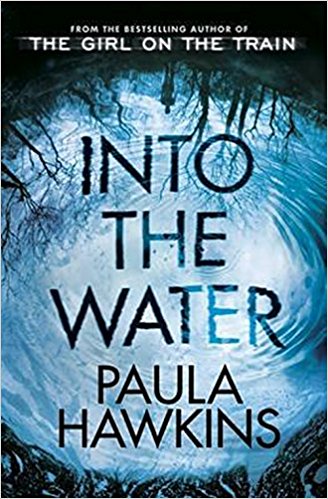 The huge success of The Girl On The Train meant high expectations for Hawkins’ next book, and Into The Water delivers, in my opinion, another well written mystery/thriller. The setting is Northern England, a town with a drowning pool where too many women have drowned over many centuries, usually under mysterious circumstances. Many standard issues are present: lies and deceit and memories that are selective. The key relationship is between two estranged sisters – how did this estrangement begin and how did it evolve? The outcome, aka big reveal, is tantalizing and completely surprising. A thoroughly enjoyable read.
 Another Harry Hole novel – hurrah! The story is rather bloody: a serial killer in Oslo with vampirism (you will have to look up the precise meaning of this word). There are two main reasons why this book is a splendid read. First, there are long discussions of moral philosophy – why does Harry obsessively pursue the solution to murders, knowing the strain this obsession places on his relationships? And second, the plot is intricate and impossible to predict. This is great summer reading.
 What David Read