
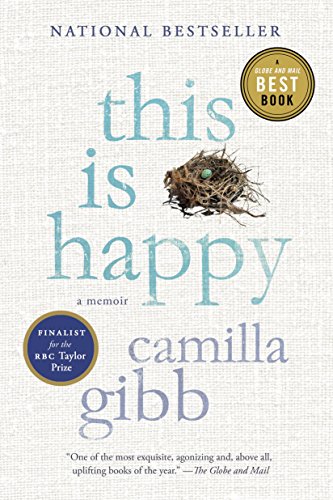
 Camilla Gibb is a very fine novelist (Sweetness In The Belly, for example). This remarkable book is a memoir that is brutally honest and uncomfortably candid. There are heartbreaking descriptions of loneliness and alienation leading to profound depression and suicide attempts, of feelings that she does not deserve happiness. Single motherhood provides an incredible challenge. The adage that “it takes a village to raise a child” is proven true as single mother Gibb constructs a unique extended family to help her care for her daughter: this is a compelling story.
Category: Book themes
Moonglow – Michael Chabon
 Chabon has written many imaginative novels: The Yiddish Policeman’s Union, Telegraph Avenue, etc. Moonglow is a fictionalized memoir, ostensibly based on his grandfather’s life. The writing is superb: his grandfather’s experiences in WWII and a lifelong interest in rocketry; a poignant story of his grandmother’s mental illness. A powerful aspect of the story telling is the consequences of keeping secrets and telling lies. This is an excellent read; thanks Renee, for this recommendation.
The Fortunate Brother – Donna Morrissey
 A gritty angst-filled guy book set in West Newfoundland. The context – geography and people- is described perfectly. A father and son are paralyzed by grief, so they retreat and psychologically “run away” into a life of drink and anger. The book then becomes a murder mystery with deception and lies and misunderstandings. Annoying behaviour to be sure but the descriptions of the people in a fishing outport trying, usually badly, to have each other’s back is compelling. This is one of Morrissey’s best books.
Into The Water – Paula Hawkins
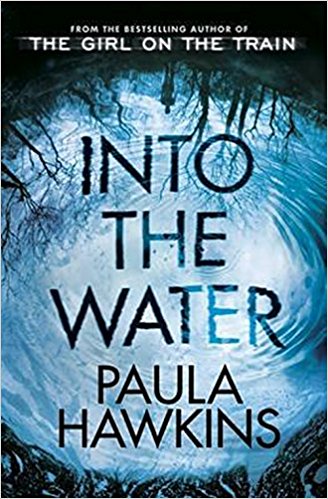 The huge success of The Girl On The Train meant high expectations for Hawkins’ next book, and Into The Water delivers, in my opinion, another well written mystery/thriller. The setting is Northern England, a town with a drowning pool where too many women have drowned over many centuries, usually under mysterious circumstances. Many standard issues are present: lies and deceit and memories that are selective. The key relationship is between two estranged sisters – how did this estrangement begin and how did it evolve? The outcome, aka big reveal, is tantalizing and completely surprising. A thoroughly enjoyable read.
Nutshell – Ian McEwan
 First, a confession – my opinion on McEwan books runs hot and cold: there are great books (Atonement, Amsterdam, On Chesil Beach) but many are not so great, in my opinion. This new novel belongs firmly in the great category. First, there is a unique point-of-view; the narrator is an 8-month fetus. The description of his acquisition of consciousness is fantastic, and sage commentaries on placenta-filtered wines are provided. And then there is the great prose: “Long ago, many weeks ago, my neural groove closed upon itself to become my spine and my many million young neutrons, busy as silkworms, spun and wove from their trailing axons the gorgeous golden fabric of my first idea, a notion so simple that it partly eludes me now”. Exquisite writing.
The Nest – Cynthia D’Aprix Sweeney
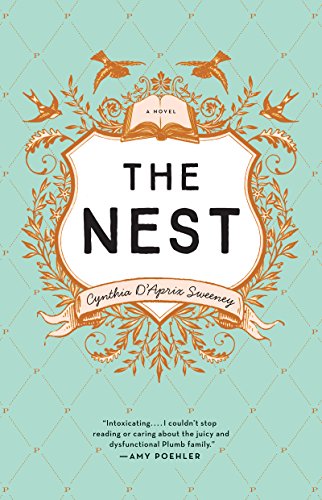 This is an entertaining story about a dysfunctional family, the Plumb siblings (Johnathan Franzen territory). The core character is the oldest, Leo, a prodigal brother who is charming but dishonest and deceitful. The plot has a number of surprising turns to make this a very enjoyable read. Leo’s siblings are variably desperate and entitled and conniving. This is another amazing first novel that is highly recommended.
May We Be Forgiven – A.M. Homes
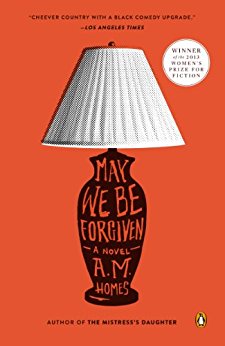 Harold has a younger brother, George, who has exhibited psychopathic tendencies his whole life. When George commits an unspeakable act of violence, Harold is thrust into being responsible for George’s two children, a responsibility for which he is woefully unprepared. Initially Harold is very annoying because of poor impulse control resulting in very bad decisions, especially with his relationships with women. However, he slowly grows into his role of protector and confidant. The setting is NY with an interesting excursion into South Africa. This is a very good book about how complex behaviours can evolve. A sub-plot about Richard Nixon is totally entertaining.
The Geography of Genius – Eric Weiner
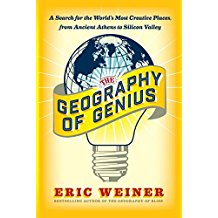 Weiner previously wrote the very entertaining Geography of Bliss where he related happiness to geographical places: Bhutan = very happy; Moldava = very unhappy. In this book he examines places notable for genius (aka creativity). Some are predictable (Ancient Athens, Florence at the time of Leonardo and Michelangelo, present day Silicon Valley) but some are surprising (Edinburgh, Calcutta). Part of his thesis is that genius is urban and dependent on lively conversations – the importance of formal discussion groups or informal discussions at coffee shops or even pubs (The Inklings discussing writing in an Oxford pub). Therefore, environment is key and genetics plays a minor part. Of course he is selective in presenting studies that support a subjective point of view. Nevertheless, the book is entertaining with much self-deprecating humour. Thanks Mary for this recommendation.
The Conjoined – Jen Sookfong Lee
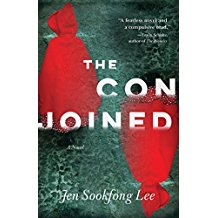 What if you are cleaning the basement of your family home after the death of your mother, and you find the bodies of two foster-children in a basement freezer who went missing 28 years ago? This is an intriguing book that examines family secrets and the social welfare system. Some of the ideas reminded me of Zoe Whitall’s book The Best Kind Of People where suspicion is directed to “good” people. What is the cost of bringing foster children into a home for all concerned? Highly recommended.

