
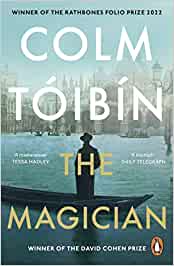
Thomas Mann was a favourite author of my great German Canadian friend Thea, so I decided to read this biographical portrait of the Nobel Prize-winning author by Toibin, the magnificent Irish writer. Mann’s life, separate from his writing, is fascinating, evolving from a German nationalist in WWI to become an internationalist and anti-Nazi figure. Conflicted relationships abound within his troubled family and within his homeland. Overall, an epic story of a complex man.
The Orphan Girl – Kurt Palka
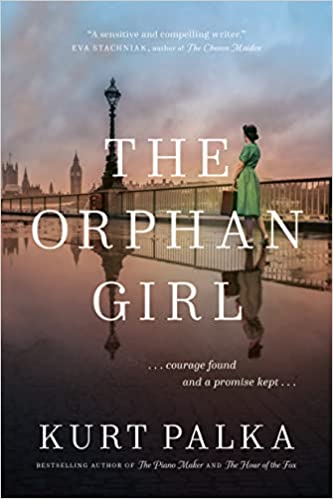
Sometimes a sentimental historical novel fits the bill perfectly. The time period is 1944-46. Kate survives a London bomb but then circumstances force her to live with a doctor friend, Claire. Complex issues complicate their lives: a murdered father and the return of Claire’s troubled husband from the war. This story is about friendship, promises, courage and independence. Key details are left unexplained, to make for a very satisfying plot.
The It Girl – Ruth Ware
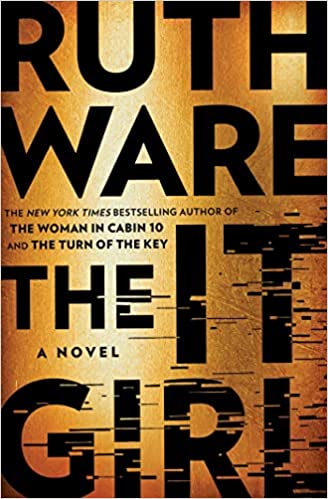
A mystery-thriller set in an Oxford college (yay!) Ten years after the murder of her roommate, Hannah begins to suspect that the person convicted of the crime may have been innocent. Was the actual killer one of her Oxford friends? Typical of the amateur sleuth genre, there is rampant suspicion and multiple red herrings. And I can confidently predict that no one will be able to predict the big reveal at the end.
Hotline – Dimitri Nasrallah
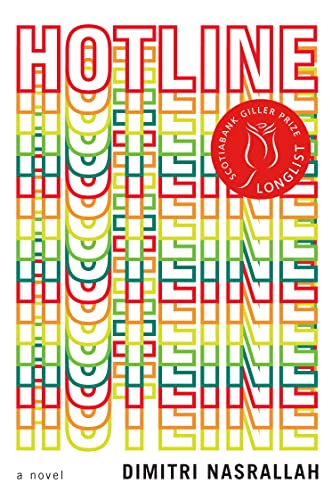
A Giller long-listed book and a recent Canada Reads contender: Muna is a widowed single mother who escapes to Montreal in 1986 from Beirut. What follows is a one-year struggle to find work as an immigrant, to help her son Omar adjust to a radically new environment, to survive her first winter, and to overcome marginalization and prejudice. A compelling story.
Permanent Astonishment – Tomson Highway
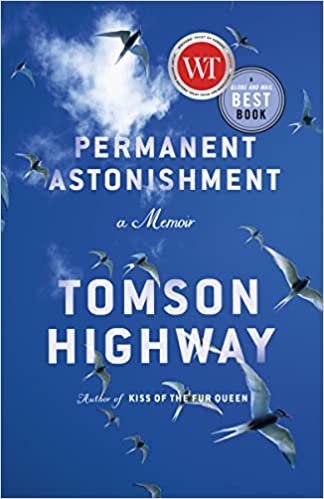
Highway is a fine novelist (Kiss of the Fur Queen) but this is a memoir, subtitled “Growing up Cree in the land of snow and sky”. Born in 1951, he grows up in remote Indigenous communities in NW Manitoba. The Indian Act declared that status Indian children MUST be sent to residential schools, so at age 6, he is flown to Guy Hill Indian Residential School in The Pas. Over the next 9 years, he describes academic challenges to learn English, but he does NOT experience institutional cultural genocide and has only a brief experience with sexual abuse at age 11. Overall, his residential school experience is positive even for a two-spirit individual, so an important perspective.
A Heart Full Of Headstones – Ian Rankin
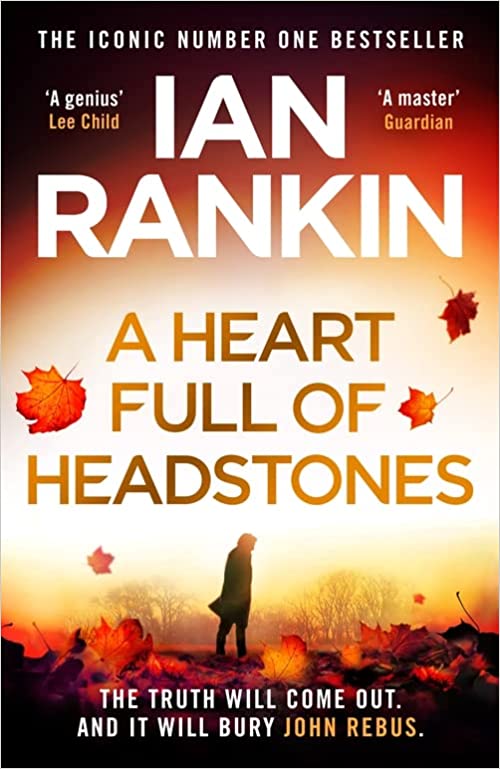
The Rebus stories just get better and better. Now long retired and suffering with COPD, Rebus is assisting/hindering the police investigation of a bent cop. The story over only 8 days is rife with corruption and hidden motives. Rebus has a life-long legacy of breaking rules and crossing lines, so this book begins and ends with his trial for a specific misdeed. Highly recommended.
VenCo – Cherie Dimaline
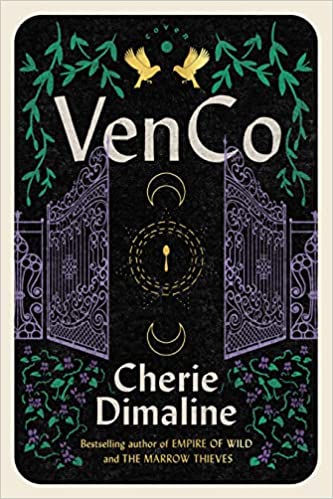
This new book by Ms. Dimaline just gets better and better, moving from YA to adult fiction. Imagine a young Metis woman on a search for a spoon to reassemble a coven of 7 witches. Imagine that a deliciously evil male Benanmanti witch hunter pursues her with deadly intent. This is a subversive feminist story that is exciting and compulsively readable, mixing danger with humour. Highly recommended. By the way, the title is an anagram for coven!
In – Will McPhail

A remarkably insightful graphic novel about the difficulty of truly honest communications, leading to the tendency to have meaningless superficial encounters. The black-and-white drawings are interspersed with colour drawings to create a compassionate and sensitive story. Thanks Amy, for this recommendation.
Maureen – Rachel Joyce
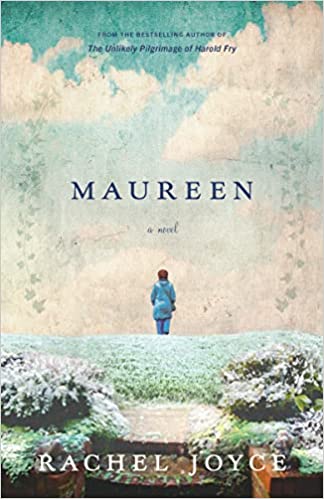
In the first book of a trilogy, Harold Fry embarks on a walking pilgrimage to see his dieing friend Queenie. The second book details Queenie’s backstory. And now the trilogy is completed with a novel about Maureen, Harold’s wife, setting out on another journey. Maureen is difficult and damaged, both judgemental and unlikeable. In fact, she is dealing with unprocessed grief over a death that occurred more than 30 years previously. There is a profoundly moving finale with emotional impact: self-discovery and forgiveness and the question – can grief be appropriated? All three books are wonderful; The Music Shop is an unrelated gem.

