
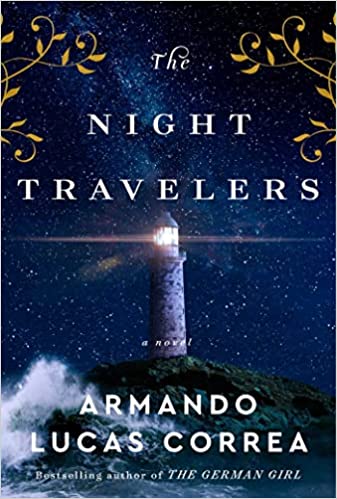
An angst-filled story of 4 generations of women: sometimes daughters have to be sent away to save them. What are the motivations of the mothers? Lilith, an 8-year-old mixed-race child (mischling), is sent from Germany to Cuba in 1939. Her daughter, Nadine, is born in 1959 in the midst of the Cuban Revolution and must be sent to the USA at age 3. Nadine and her daughter Luna complete the research of family endurance and sacrifice.
Category: Book themes
When Women Were Dragons – Kelly Barnhill
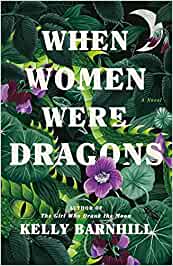
This is a brilliant book of speculative fiction. Imagine America in 1955 – more than 640,000 women undergo a Mass Dragoning. Alex is an almost 9-year-old girl who asks the sensible question – why did some women transform into dragons (her aunt) but not others (her mother)? What if the official response is denial? Information is ignored and suppressed – this is the McCarthy era after all. Suffice it to say that these are not Game of Thrones dragons, and many return to their communities, but for what purpose? And finally, libraries and librarians have important roles! Although there is much feminist rage, this is ultimately about women having choices. HIGHLY recommended.
The Dickens Boy – Thomas Keneally
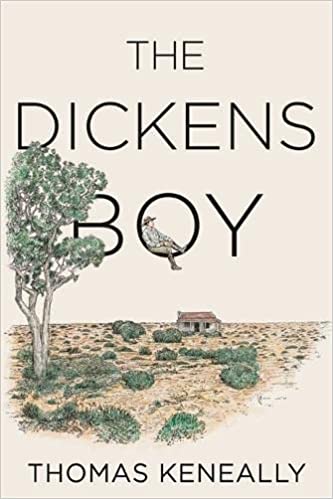
The acclaimed author of Schindler’s List and The Daughters of Mars (just 2 of his 33 books) has turned his attention to his Australian homeland. Edward Dickens, the 10th and youngest child of his father Charles Dickens, travels to Australia in 1868 at age 16 to make something of himself in the outback. What follows is written with impeccable detail of the following two years: sheep shearing and cricket, encounters with Aboriginals (darks), colonialists and criminals. Very entertaining.
The Winners – Fredrik Backman
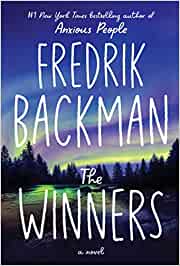
This fabulous and long (670 pages) book concludes a trilogy: previous books were Beartown and Us Against You. Backman’s writing is both heart-warming and heart-wrenching. Two remote forest towns (in Sweden but could be Canada) are intense rivals in hockey and politics. There are two funerals, impending violence and intimidation, and a ferocious summer storm. Backman’s writing is often philosophical: what it means to experience fear, for example. Be warned, the story is very emotional with complicated relationships, especially within families; expect to experience extreme sadness (and tears) when confronting loyalty, friendship and loss.
The Atlas Six – Olivie Blake
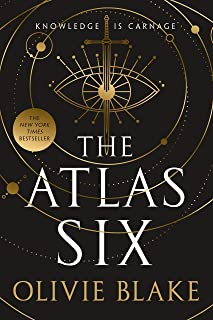
Six powerful magicians are recruited to the secret Alexandrian Society and given the unique opportunity to become even more powerful. What is fascinating in this truly imaginative book is not what they can do, but their personalities and psychologies. They are willing to compete for a place in the Society (only 5/6 will “graduate”) so there is suspicion and meanness but also fear and apprehension. Think ambition in a magical library. What is the cost of their actions? The book’s subtitle is “Knowledge is carnage”, after all. Highly recommended.
The Atlas Paradox – Olivie Blake
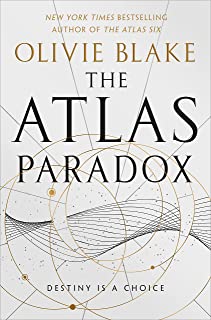
The sequel to the Atlas Six. Five magicians, now members of the secretive Alexandrian Society, continue to study and learn. Can the library archives be sentient if some knowledge is withheld? As magicians become even more powerful, can they become gods? The price of power requires a choice, to pick a side. The intersection of dreams and time becomes an important factor in the apparent disappearance of one of the magicians. Overall, a very compelling story.
Our Missing Hearts – Celeste Ng

Imagine a dystopian America dominated by the Preserving American Culture and Traditions (PACT) act. Particular negative attention is directed at persons of Asian origin so Bird’s Chinese American mother disappears to protect her son. Now 3 years later, he receives a cryptic message and embarks on a quest to find her in a world of surveillance and suspicion. What is remarkable in this topical story is the importance of words and stories, and libraries and librarians. Highly recommended.
Babel – R.F. Kuang
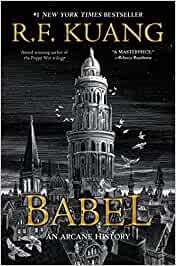
This is an imaginative work of historical and speculative fiction. The context is all important: Oxford in the 1830s where scholars (professors and students) work in the Royal Institute of Translation, in an academic tower known as Babel. Is there power in words, in etymology? Words lost in translation can be added to silver bars to create magic: protective wards and the casting of spells. Academics can also serve colonialism; can change ever occur peaceably, or does profound change encompass the necessity of violence? What is striking in this book is the role of indecision and questionable motives. Highly recommended.
Hollow Kingdom – Kira Jane Buxton

An innovative treatment of apocalyptic fiction because the narrator is a domesticated crow called ST (you will have to read the book to learn the origin of this acronym). What happens to animals when a virus creates an addiction to the to the electronic world which devastates the human population (called MoFos by the crow)? Subject matter includes both violence and oddball humour. And finally, the setting of this conflict for survival is Seattle. Thanks Amy, for this recommendation.
 What David Read