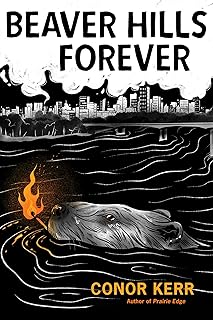
Beaver Hills Forever – Conor Kerr

The author of Prairie Edge has now written a short Metis poetic novella. The are alternating poetic verses/pages of four Indigenous voices, two women (Baby Momma, Aunty Prof) and two men (Buddy, Fancy University Boy). A dominant theme is the constraints imposed on Metis people from institutional whiteness, class and even delusions of grandeur. The writing is funny and heartfelt, with an uncompromising focus.

Note from Amy: I read this too, and fell deeply in love with the complications of life, and the way that Conor Kerr wrote his short poetic prose
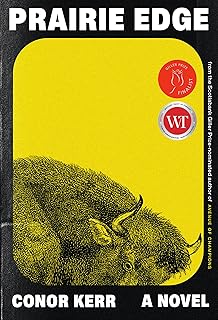
Prairie Edge – Conor Kerr

This gritty story by Mr. Kerr is reminiscent of Katherena Vermette‘s great writing, and so a trigger warning could have been utilized. Isadore (Ezzy) Desjarlais and Grey Ginther are distant Metis cousins living in and around Edmonton, and candidly they are very flawed characters. Bison are stolen from Elk Island Park and released into Edmonton’s river valley, bison representing the past before colonialism. And there are other criminal acts. Powerful writing provides a biting critique of modern activism. The abysmal foster care system and subsequent substance abuse are also key elements. This is a novel that is both triumphant and tragic, so highly recommended (thanks Amy, for this book).

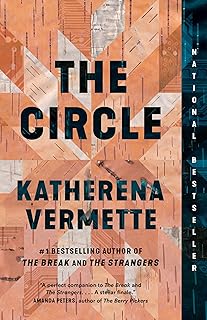
The Circle – Katherena Vermette

This compelling story is a worthy companion to The Break and The Strangers, to complete a trilogy of unforgettable Metis voices. The central event is the release of Phoenix from prison after 6 years confinement for a vicious assault. The implications are profound; stories and memories are revealed from different perspectives so the exquisite writing creates a type of restorative justice circle where both the victimized and accused confront how their lives have been changed. This is masterful writing with an ending that is both heartbreaking and hopeful.

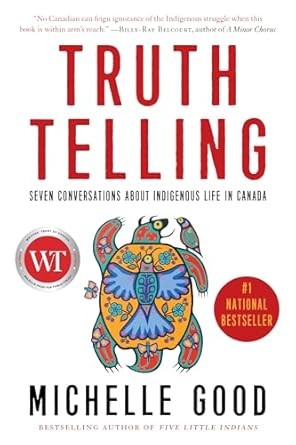
Truth Telling – Michelle Good

Ms. Good is an acclaimed author for the novel Five Little Indians (Canada Reads 2022 winner). This book is subtitled: “Seven conversations about Indigenous life in Canada”, and I respectfully submit that her thoughtful essays should be read by non-Indigenous Canadians. She categorically states that “it is not enough to wear an orange shirt or issue/listen to empty land acknowledgements”. Her general concept is that there can be no reconciliation without truth; that the goal of colonialism was to disempower leading to the genocide of Indigenous peoples; and that Residential Schools were an implement in the colonial toolkit to destroy Indigenous identity. Ms. Good’s personal story is particularly compelling as a 60s scoop victim with five years in care. Finally, her essay on cultural pillagers, the pretendians, is a clear expose of identity theft. Provocative writing – highly recommended.

Wandering Stars – Tommy Orange


This is a brilliant follow-up to Orange’s There There with some of the same characters. The first part of the book is historical, the legacies of the Sand Creek massacre of 1864 and the Carlisle Industrial School for Indians. Misguided attempts at assimilation by governments and adoptions are devoted to the eradication of Native history, culture and identity. The next section of the book entitled Aftermath is even better, detailing the brutal reality of contemporary life in Oakland for two grandmothers and their three grandsons. When is life more than surviving?

This book is both shattering and wondrous – highly recommended.

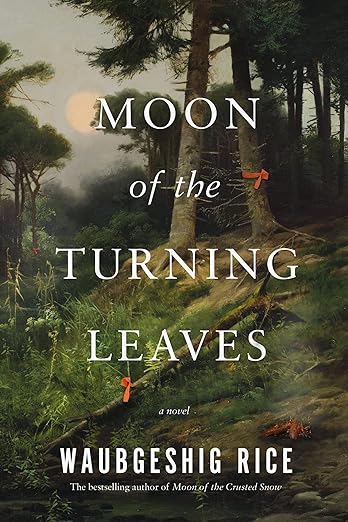
Moon of the Turning Leaves – Waubgeshig Rice

In this sequel to the excellent Moon of the Crusted Snow, 12 years have passed since a mysterious cataclysm produced a total blackout. Now, six Indigenous members of a remote northern community journey 500 km south to their original location on the north shore of Georgian Bay. How will anarchy shape their journey? This is a compelling story of resilience and survival that is reminiscent of Cormac McCarthy’s brilliant account of a post-apocalyptic journey in The Road.  Highly recommended.

Bad Cree – Jessica Johns

This remarkable debut novel is all about Indigenous women. Mackenzie is a young Cree woman living in Vancouver, but darkness dreams drive her to return to her home on High Prairie, Alberta, in part to confront her unprocessed grief over the death of her older sister. Can spirits visit people in their dreams? Can evil entities feed off the hurt, isolated and grieving? This is both a masterful mystery and horror story that will forever change your appreciation of the phrase “murder of crows”. Highly recommended.

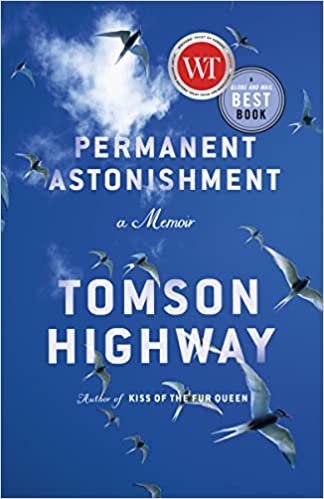
Permanent Astonishment – Tomson Highway

Highway is a fine novelist (Kiss of the Fur Queen) but this is a memoir, subtitled “Growing up Cree in the land of snow and sky”. Born in 1951, he grows up in remote Indigenous communities in NW Manitoba. The Indian Act declared that status Indian children MUST be sent to residential schools, so at age 6, he is flown to Guy Hill Indian Residential School in The Pas. Over the next 9 years, he describes academic challenges to learn English, but he does NOT experience institutional cultural genocide and has only a brief experience with sexual abuse at age 11. Overall, his residential school experience is positive even for a two-spirit individual, so an important perspective.

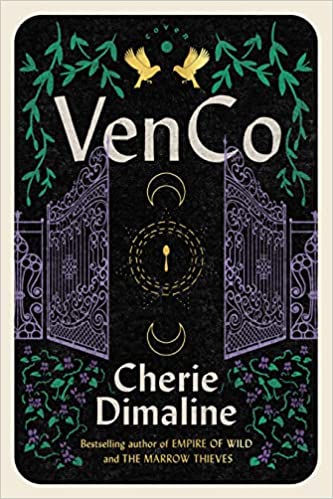
VenCo – Cherie Dimaline

This new book by Ms. Dimaline just gets better and better, moving from YA to adult fiction. Imagine a young Metis woman on a search for a spoon to reassemble a coven of 7 witches. Imagine that a deliciously evil male Benanmanti witch hunter pursues her with deadly intent. This is a subversive feminist story that is exciting and compulsively readable, mixing danger with humour. Highly recommended. By the way, the title is an anagram for coven!