
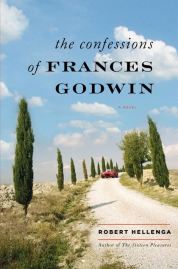
 After the death of her husband, Frances begins to chronicle her life, her confessions, from marriage in the 1960s to 2006. She has been a Latin teacher so there are lovely passages about learning Latin in Italy. Her spiritual conversations (NOT confessions) with a Catholic priest provide a surprising element, along with some dialog with God. This is a very good read.
https://www.goodreads.com/book/show/18594395-the-confessions-of-frances-godwin
 This is Ishiguro’s first novel (published in 1982) and has the features that characterize some of his later books: a curious early fact (in this book, on page 17) that is just odd, and that is explained much later. This story switches between post-WWII Nagasaki and later England. Enigmatic relationships between characters abound, and MUCH is left unsaid in this short novel. If you like/love Ishiguro’s later classics (Never Let Me Go,
 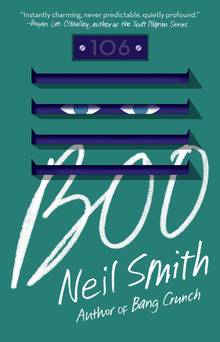 Smith was a chance discovery by Sarah and I as part of an interview of three authors at the
  This is a fabulously imaginative book that has the following sub-title: “A progressively lipogrammatic epistolary fable”, so consult your dictionaries to also learn about panagrams. At its core, this is a cautionary tale about the evolution of institutional madness which is pertinent in this Trump world.
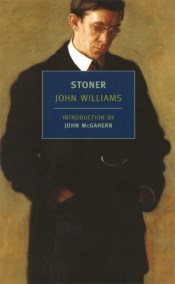 Bill Stoner lives a remarkably passive life characterized by: (a) a disastrous marriage, and (b) a 20-year feud with his University English Department Head. Indeed, the description of University politics is perfect. He has one brief period of passionate love that is doomed by his naivety. The ending of the book has transcendent writing. This is an excellent read; thanks Sarah for this recommendation.
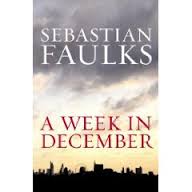 Faulks is a wonderful writer (
 What David Read