
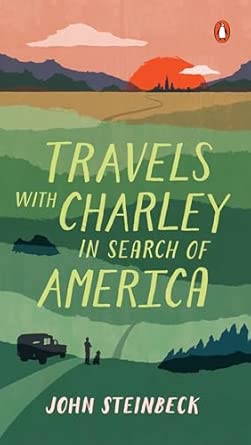
In 1960 at the age of 58 and after his last novel, Steinbeck sets out on a road trip with his faithful dog Charley, in search of America. After 10,000 miles over 4 months, this epic trip comes to an end. No surprise: the writing is superb. Steinbeck is a keen observer of geography, and long periods of time in a camper truck provide frequent opportunities for reminiscing. One of the best sections is California: the giant redwoods, the magic of the desert, revisiting his Salinas home. There is also a melancholy, a palpable disenchantment with the world culminating with a disastrous exposure to racial tension in the South. Overall, this is a stunning portrait of American complexity.
Category: Location / Setting
The Cure For Drowning – Loghan Paylor
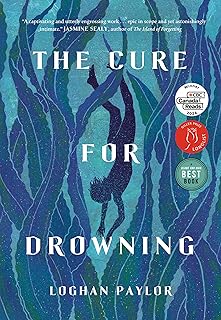
This book is the well-deserved winner of the 2026 Canada Reads competition, championed by the formidable and eloquent Tegan Quin. This is brilliant historical fiction: small town Ontario in 1939 and then WWII in Halifax and Europe. There are two principal characters: the non-binary Catherine/Kit/Christopher and Rebekah. These vivid individuals are grappling with identity and belonging, so different perspectives on life are featured. And there is some magic realism, aka folklore: highly recommended.
A Far-Flung Life – M. L. Stedman
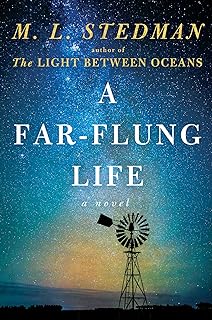
Simply put, this is a very fine book. First, there is the context. Place – Western Australia, with an outstanding description of the physical geography of a one million acre sheep station that accommodates 20,000 sheep. There is profound isolation, heat and insects, and the terrifying consequence of a cyclone. Time – principally 1958-59 and a decade later. And second, there is a compelling human element. What is the human cost of multiple tragedies? How do “survivors” cope with paralyzing grief and guilt? What about self-forgiveness? This is an epic novel that has breathtaking scope. Thanks to Catherine for this recommendation.
PS: Ms. Stedman previously wrote the acclaimed The Light Between The Oceans.
The Inheritance Of Loss – Kiran Desai
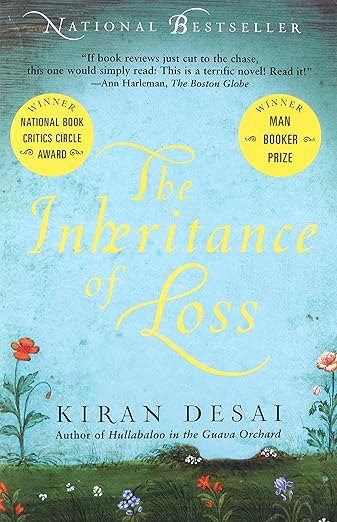
This book, published in 2006, deservedly won the Man Booker Prize. The setting is India in the late 1980s, a town in the north-eastern Himalayas. The main characters: a retired cantankerous old judge and his orphaned grand-daughter, and the cook with his undocumented son struggling to survive in New York. And there are many other vivid characters. The complexity and intensity of India is illustrated graphically, like perfect details of the sounds and smells of monsoon rains. And there is the chaos of a Nepali insurgency with excruciating civil unrest. Simply put, this is tour-de-force writing and a joy to read.
The Ferryman And His Wife – Frode Grytten
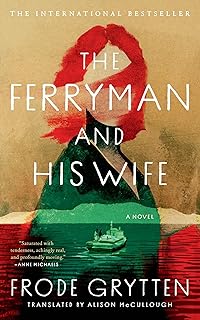
This is a beautifully written introspective story. On a grey November day, Nils Vik takes his last journey on his ferry boat on a Norwegian fjord. On the way, some dead passengers join him; other former passengers who have died observe as witnesses. His last day alive is not sad, but often transcendent with memories of relationships with his late wife Marta, his two daughters, and many others (including a dead dog who can talk). There is a spareness to his life that is meaningful. Finally, the writing (translated by Alison McCullough) is often breathtaking: “two brothers were like magnets with the same polarity – they approached each other, pushed against each other, and were flung apart again”. Overall, a masterful story about an ordinary yet utterly profound life – highly recommended.
Blood Ties – Jo Nesbo
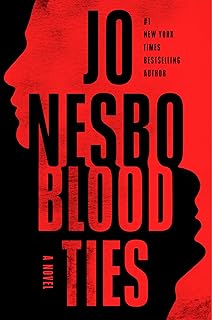
Nesbo is an expert Nordic Noir author but his crime thrillers are typically from the perspective of the police and the actions of the legendary Detective Harry Hole. This interesting book instead features insight into the psyche of two brothers who are criminals (and killers). Can the brothers continue to cover their tracks over past murders and current criminal actions like bribery and overt threats? What about the stress of sibling rivalry? Great fun to read.
Karla’s Choice – Nick Harkaway
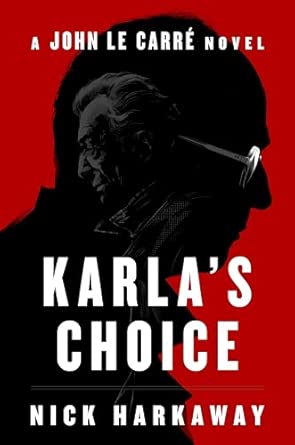
The subtitle “A Novel of John LeCarre’s Circus” is not surprising because Harkaway is the son of the late John LeCarre. Nevertheless, it is remarkable that the author can resurrect the character of George Smiley so perfectly. It is 1963, the missing decade between “The Spy Who Came In From The Cold” and “Tinker, Tailor …”. Smiley epitomizes watchfulness, the exercise of paranoia, and the awareness of constant danger. The plot is, of course, complex with a missing spy and action in London, Berlin and Vienna – very enjoyable.
The Life Cycle Of The Common Octopus – Emma Knight
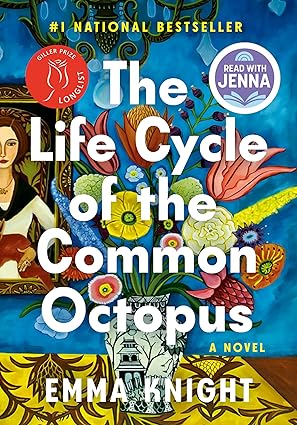
Pen(elope) and Alice are Canadian BFFs who attend university in Edinburgh, in part so Pen can learn about a mystery involving her father’s prior relationship(s) in Scotland. The story builds slowly but effectively with elements of female friendships, first feelings of love, and sacrifices of motherhood. And much withholding creates a compelling mystery. This is a very fine first novel that was Giller short-listed.
Finding Flora – Elinor Florence
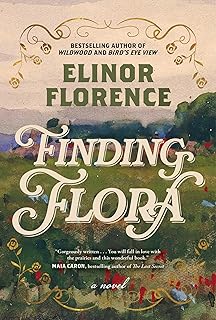
The setting: Alberta in 1905. A single woman and a widow with three children attempt to homestead land near Red Deer. Their efforts are complicated by weather (hail storms, brutal winter cold) and yes, sexism. There are dastardly villains but, spoiler alert – a happy ending. So, historical fiction featuring female resilience. Thanks Joyce, for this recommendation.

