

An early book by Ms. Egan, first published in 2006. There are several story lines: restoration of a medieval castle has elements of a gothic thriller, and there is a writing program in a prison. Are these stories linked? What is based solely on imagination? The book just gets more and more engaging as the story progresses.
The Future – Catherine Leroux
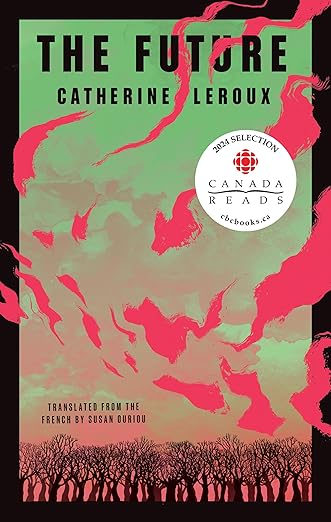
A superb depiction of an alternative dystopian story for Detroit, with urban decay and ecological disasters. In particular, feral children leave their homes to live wild in a park. Gloria arrives after the death of her daughter (an unsolved murder) to search for her two missing grand-daughters. What follows is a brilliant portrayal of family resilience. This book should be a powerful contender in the upcoming Canada Reads competition, championed by the brilliant Heather O’Neill.
Lord of the Flies – William Golding
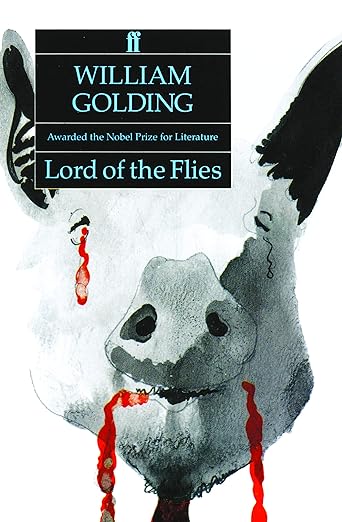
A re-read of the classic novel published in 1954. A group of British schoolboys aged 6 to 12 are stranded on an uninhabited island in the Pacific. There is progressive loss of rules and order which is followed by a descent into savagery, chaos and violence. The story is a valuable treatise on the nature of humanity and civilization.
Silver Nitrate – Silvia Moreno-Garcia

The setting – Mexico City in the early 90s. Monserat, a film editor, and her actor friend Tristan meet Abel, a film director whose last film was unreleased in 1961. Can merging of sound and visuals (runes) with silver nitrate film be a conduit for spells? Can an un-released film produce bad luck? Can a spell be undone? Moreno-Garcias’s latest horror book reminds me of her brilliant Mexican Gothic.
Hang the Moon- Jeannette Walls
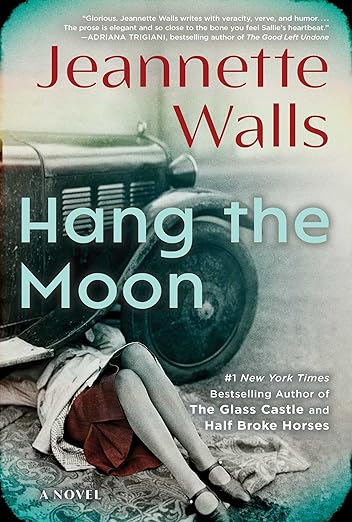
Previously, Ms. Walls has written autobiographical (The Glass Castle) and biographical (Half Broke Horses) books. This new book is a novel that follows the trials and tribulations of Sallie Kincaid in 1920s Virginia. At ages 17-20, Sallie has to deal with family secrets in rural areas dealing with the prohibition. There are conflicts between what is right and wrong, and legal and illegal. Sallie is both clever and quick, but how will she operate in a world that devalues women?
Romantic Comedy – Curtis Sittenfeld
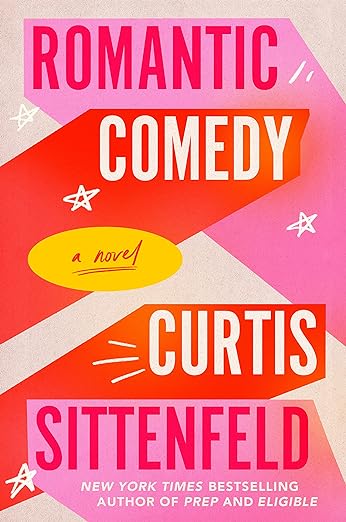
This book is a surprisingly satisfying read. Sally is a sketch writer for a TV live comedy show (think SNL), who meets pop music sensation Noah when he guest hosts. What follows is obvious chemistry that is complicated by Sally’s perception that Noah is out of her league. So, in essence, this is a relationship story that is remarkably observant and poignant.
Happiness Falls – Angie Kim
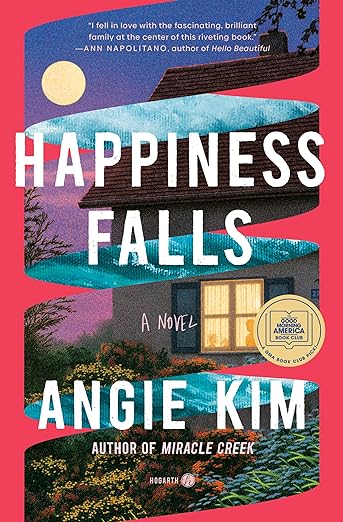
Ostensibly, this is a missing person mystery: a father goes missing from a Korean-American family (wife, three children). What elevates this story is a unique point-of-view, emphasizing the family impact. Why do people do and say what they do? For a family in crisis, there are many discussions on cognitive psychology. What if suspicion falls on the youngest son who is non-verbal because of autism and Angelman Syndrome? Questions of loss, language and the expectations and assumptions regarding communication abound. Finally, the ending is somewhat enigmatic, as is real life.
Girlfriend On Mars – Deborah Willis
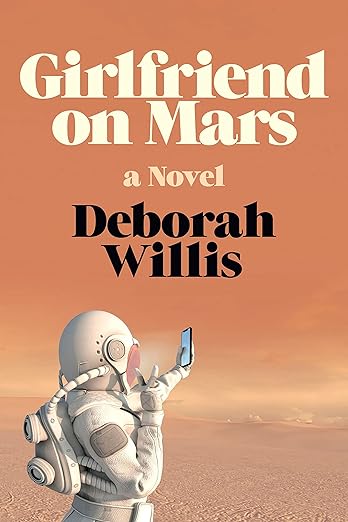
A chance discovery at an October Word Fest event, Ms. Willis has written a superb relationship book. Amber and Kevin have enjoyed/endured a 14-year relationship even though they have very different personalities. Secretly, she decides to enter a billionaire-funded competition to travel to Mars, and amazingly becomes one of 24 contestants on a reality show to choose two “winners”. How does Kevin cope with Amber’s decision to leave him for a one-way trip to Mars? What is Amber’s motivation? The story is in part funny with a satirical treatment of fame, billionaire-funded space travel together with a quest for love. Highly recommended.
The Observer – Marina Endicott
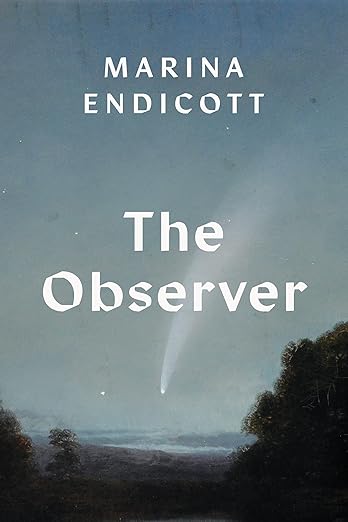
Full disclosure: this is a great book that deals frankly with some unpleasant subjects. Julia accompanies her partner Hardy to his first RCMP posting in Northern Alberta. Julia is a keen observer of life, especially relationships. She is also a silent witness to Hardy’s descent into depression and PTSD. There is a strong element of fear and menace that is truly frightening. Powerful writing and very worthwhile.
 What David Read