
The latest Harry Hole thriller is brilliant, one of his best. Hole’s usual chaotic life is even more nightmarish with binge drinking and blackouts. A fiendish villain plots to frame Hole for a murder that Harry can’t be sure that he isn’t guilty of. So a diabolical plot with Hole’s behaviour driven by revenge and some very dubious actions. Finally there is a very satisfying enigmatic ending. Overall, an outstanding example of Scandinavian noir crime thrillers.
 In 2010, a very old woman, Vivian, receives a letter with a question: “If you now feel comfortable telling me what you were to my father?” Thus begins a long remembering of Vivian’s life, starting in New York as a 20-year old in 1940. Vivian is the epitome of white privilege, a delightfully hedonistic person with self-deprecating humour. The description of the NY theatre scene in the 40s is fabulous. Overall a recounting of both strong and toxic female relationships for a completely entertaining story. Thanks Amy.
 It is a tribute to Ms. Mandel’s skill as a writer (previous book, the brilliant
  H.P. Lovecraft wrote horror fiction in the 1920-30s. This delightfully creepy story imagines that Lovecraft hires a personal assistant, Arthur Crandle, in 1936. Lovecraft is almost entirely absent in the story. Instead, Crandle is enveloped in increasing uneasiness, the sense of a vague presence, someone watching, a malevolence is a predictably creaky old house. Crandle has an inherent weak character, prone to deflection and deception and so he is susceptible to creepy suggestions. And not surprisingly, there may be a ghost. Ms. Baker writes in an old-fashioned prose, in keeping with the timeline. Wet miserable weather adds to the gloom – this is a fun and entertaining read.
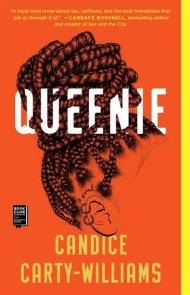 Queenie is British-Jamaican and her London life is a mess, mainly because of dysfunctional relationships with men. She has non-existent self-esteem and is a catastrophist. One of the strong features is the depressing description of the oppressive presence of racism.
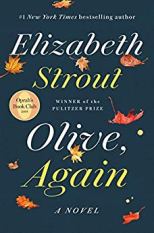 This is a sublime sequel to Ms. Strout’s exquisite Pulitzer Prize-winning Olive Kitteredge. Olive remains a somewhat difficult, direct, honest but unfiltered and often irascible character. Her relationship with her second husband, her son from her first marriage, and the townspeople in a seaside town in Maine are, not surprisingly, complicated but entertaining. The stories show a delightful ordinariness of people. And finally, the book has a powerful treatise on ageing and (the lack of) self-awareness. A superb read.
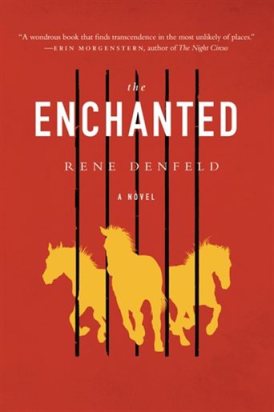 This short book give a powerful and disturbing view of a prison in contemporary times. The two key external characters are unnamed: The Lady, a death penalty investigator hired by lawyers to evaluate evidence regarding death row prisoners; and the Fallen Priest. There is also a death row inmate, also unnamed until the final pages of the book, who watches and listens. And a prison society that is revealed as corrupt and deadly. So be warned, this is a tough read but memorable for good and bad reasons.
 This imaginative book is hard to describe. The story is NOT about professional archeologists at an excavation. Instead the story follows six very different individuals whose lives intersect when bones are (apparently) discovered at the edge of a river which is to be transformed into an expressway. Planning issues (think of Jane Jacobs) are described along with environmental and Indigenous issues. The characters are portrayed vividly, especially the obnoxious and wildly irresponsible Tim. This is a great read.
 Johnston previously wrote The Colony of Unrequited Dreams about Newfoundland and Joey Smallwood. This new novel is a companion story and is much better because the central character, Sheilagh Fielding (a minor character in the earlier Smallwood book) is a fabulous creation; she has a clever mind, a caustic wit and a legendary sarcastic tongue. This is a Newfoundland story from 1916 – 1943, with a New York interlude. Fielding has a knack for controversies, for courting disaster; she is, in other words, a powerful person. There is also a creepy character in the shadows known only as The Provider. Excellent storytelling; thanks Kathryn for this recommendation.
 What David Read