
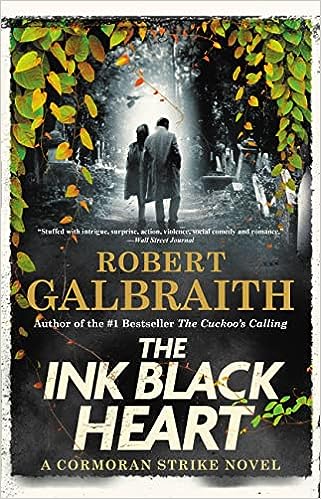
Be advised that this 6th book about the London PIs Cormoran Strike and Robin Ellacott is long (>1000 pages), but given that RG is the pseudonym for JK Rowling, there is impeccable (and necessary) detail. The often-seedy online world and a complex collection of anonymous Twitter aliases creates a real-world story with two murders and multiple conflicts to navigate. Robin and Cormoran’s formidable powers of deduction are tested but their personal chemistry remains deliciously complicated.
Category: England
The Twist Of A Knife – Anthony Horowitz
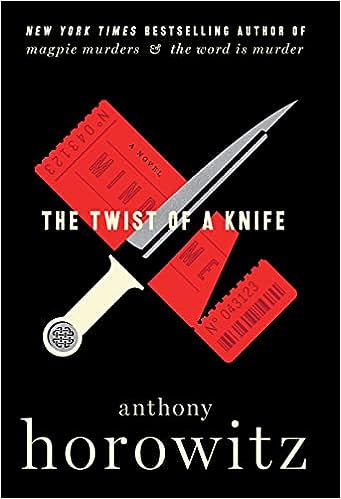
A perfectly silly but completely enjoyable murder mystery. As always, context is everything – the London Theatre world. When a nasty theatre critic is murdered, all evidence points to the writer of the play that has been savaged by a review. With the dogged persistence of a detective, much is learned. And as a nod to Agatha Christie, all the suspects are brought together for the big reveal. Overall, the author is a master of misdirection.
Fayne – Ann-Marie MacDonald
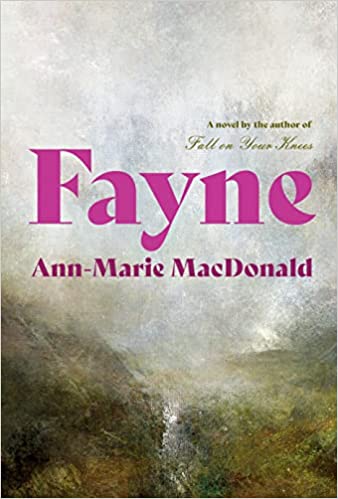
Full disclosure: this sweeping sage is long (722 pages) but Ms. MacDonald’s exquisite writing makes the reading very worthwhile. The setting: Fayne, an estate straddling the border between England and Scotland. The time: late 19th century. The main players: Lord Henry Bell and wife Mae, and children Charles and Charlotte. The story is rife with family secrets, with cruelty and cowardice in male-female and father-child relationships. A shifting timeline accentuates the drama: highly recommended.
PS: A-MM wrote the wonderful Fall On Your Knees a long time ago.
The Rising Tide – Anne Cleeves
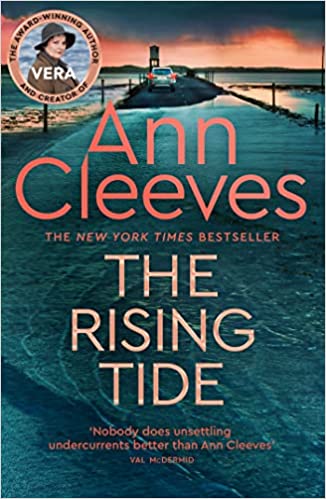
Another story about DCI Vera Stanhope, the 10th book in a popular series of police dramas. The setting is NE England, and there are only three murders: one at the beginning, one in the middle and one at the end of the book. In part, this is a police procedural story involving face-to-face interviews. Who are withholding information, keeping secrets that threaten to resurface? Overall, an enjoyable read.
The Weight of Ink – Rachel Kadish
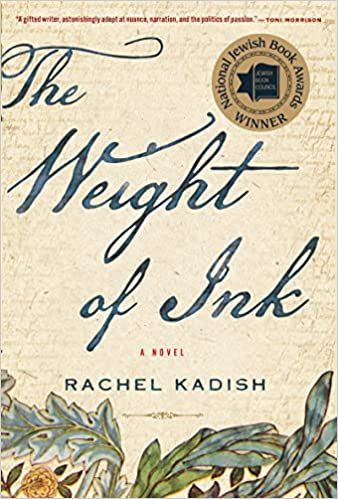
Be advised: this sweeping story of historical fiction is long (652 pages) but exquisite writing creates a literary mystery. In 2000 in England, an elderly female historian with Parkinson’s and an American graduate student are asked to evaluate a newly discovered cache of Jewish documents from the 1660s, the writings of the blind Rabbi HaCoen Mendes and his scribe Aleph. Eventually, Aleph is discovered to be a woman, Ester Velasquez. There are two critical tensions in this book. First, what are the prospects for a Jewish woman more than 300 years ago in London? Is there a brief bloom of intellectual freedom or is there a longer lasting consequence of a hunger for knowledge and learning? And second, the description of contemporary academic politics is vicious and compelling. This is an astonishing novel about a quest for knowledge: highly recommended.
The Orphan Girl – Kurt Palka
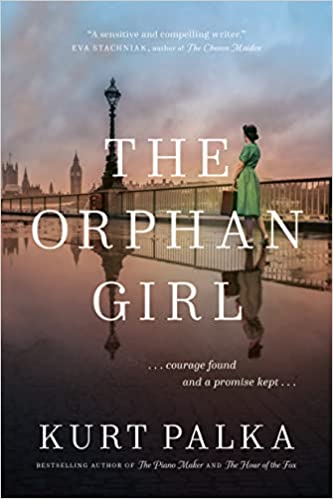
Sometimes a sentimental historical novel fits the bill perfectly. The time period is 1944-46. Kate survives a London bomb but then circumstances force her to live with a doctor friend, Claire. Complex issues complicate their lives: a murdered father and the return of Claire’s troubled husband from the war. This story is about friendship, promises, courage and independence. Key details are left unexplained, to make for a very satisfying plot.
The It Girl – Ruth Ware
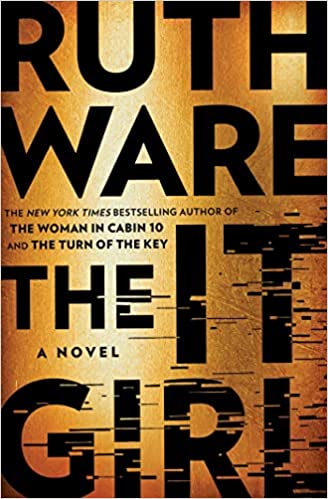
A mystery-thriller set in an Oxford college (yay!) Ten years after the murder of her roommate, Hannah begins to suspect that the person convicted of the crime may have been innocent. Was the actual killer one of her Oxford friends? Typical of the amateur sleuth genre, there is rampant suspicion and multiple red herrings. And I can confidently predict that no one will be able to predict the big reveal at the end.
Shrines of Gaiety – Kate Atkinson
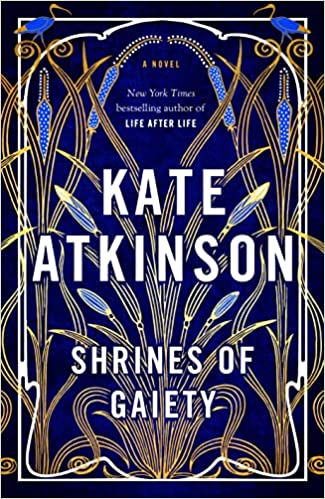
It is 1926 in London and Nellie Coker is the formidable owner of multiple nightclubs. Of course, success breeds envy and creates numerous enemies for Nellie and her 6 children, and crime is rampant. Ms. Atkinson’s writing, as always, is sublime: words (iconolatry), phrases (wore her bereavement with triumph rather than sorrow), and droll asides and magnificent metaphors. Overall, a delightful read about (mostly) bad people – highly recommended.
Babel – R.F. Kuang
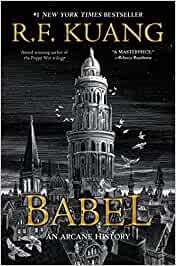
This is an imaginative work of historical and speculative fiction. The context is all important: Oxford in the 1830s where scholars (professors and students) work in the Royal Institute of Translation, in an academic tower known as Babel. Is there power in words, in etymology? Words lost in translation can be added to silver bars to create magic: protective wards and the casting of spells. Academics can also serve colonialism; can change ever occur peaceably, or does profound change encompass the necessity of violence? What is striking in this book is the role of indecision and questionable motives. Highly recommended.
 What David Read