
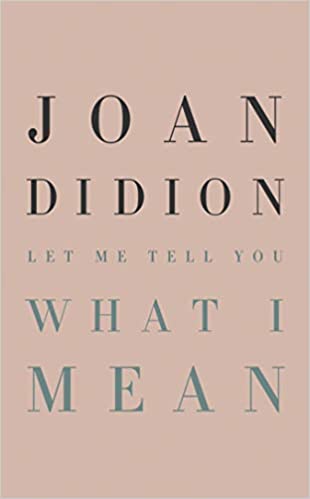
First, a confession: the only Didion book I have read is The Year Of Magical Thinking. This short book contains 12 essays, written from 1968-2000. The best essays are the early ones, describing Didion’s initial lack of success which is revealing since she became such an iconic and influential writer. Indeed, her writing is a joy to read. Thanks Amy, for giving me this book.
Category: Genre
Sweet Land Stories – E.L Doctorow
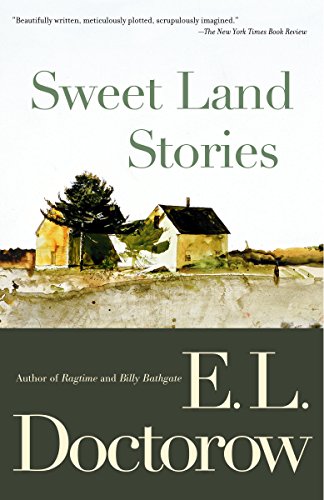
Generally, I don’t read short stories because they are … too short to be engaging (with Alice Munro stories a notable exception). This collection of five stories is also an exception: varied narratives with different times and locations, but with remarkable insight into who we are as a people and how we live. Thanks Hilary and Gerry, for the loan.
The Employees – Olga Ravn
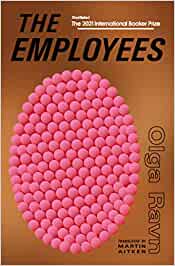
This is a fascinating and original story. The Six Thousand spaceship has both a human and humanoid crew. The ship removes strange objects from the planet New Discovery. The story is told as a series of statements, like an HR debrief. Is this part of an investigation? What causes tension among the humanoids? Is this an existential nightmare? Much is left to our imaginations; very entertaining.
Something To Hide – Elizabeth George
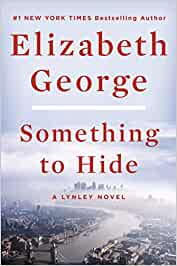
The latest Inspector Lynley book is, as always, a joy to read. Barbara Havers is reasonably well-behaved although considerable attention is given to her appalling diet! Lynley has issues in his personal relationships which reveal much about his personality. This long book (1263 pages as an e-book) has only one murder, so considerable attention is focussed on the context: female genital mutilation in London.
Sea of Tranquility – Emily St. John Mandel

Another brilliant book by Ms. Mandel, a sweeping epic that spans from Vancouver Island in 1912 to a moon colony in 2401. Intriguingly, there are links to Mandel’s previous novel, The Glass Hotel, and to post-pandemic literature in general. And there is an author on a book tour and a time traveller. Absorbing and immersive, this is a fantastic futuristic novel that eerily captures our current reality. Highly recommended.
The Paradox Hotel – Rob Hart
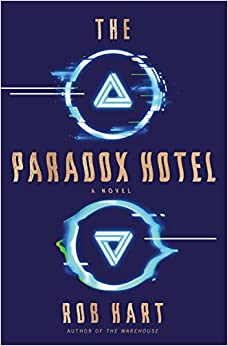
A fascinating speculative-fiction story: the time is 2072 and the place: The Einstein Intercontinental Time-Port and associated Paradox Hotel. Yes, there is time travel for tourists, to visit, for example, Ancient Egypt or the Triassic Period. January Cole works for the Time Enforcement Agency providing hotel security and she has an extraordinary caustic and acerbic personality. The story is really about the nature of time, but also grief and memory. And there are murders, dinosaurs and maybe ghosts: a thrilling read.
The Madness of Crowds – Louise Penny
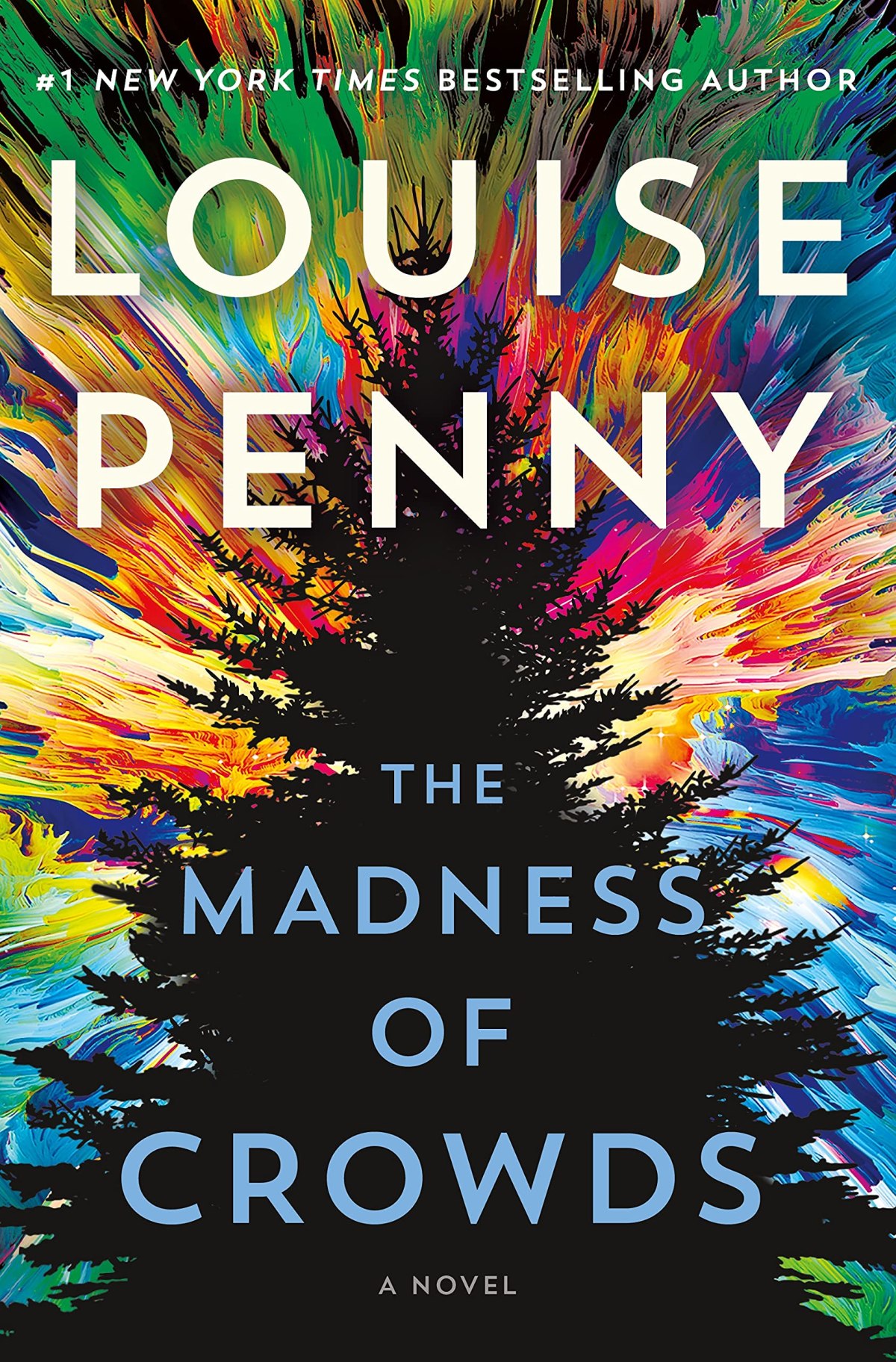
The setting of the 16th Inspector Gamache book returns to Three Pines. Post-pandemic issues dominate, in particular a repulsive social agenda that promotes mandatory state-sanctioned euthanasia for vulnerable groups. What follows is a debate over free speech and academic freedom, that of course escalates into a cracking good murder mystery: a very enjoyable read.
April in Spain – John Banville
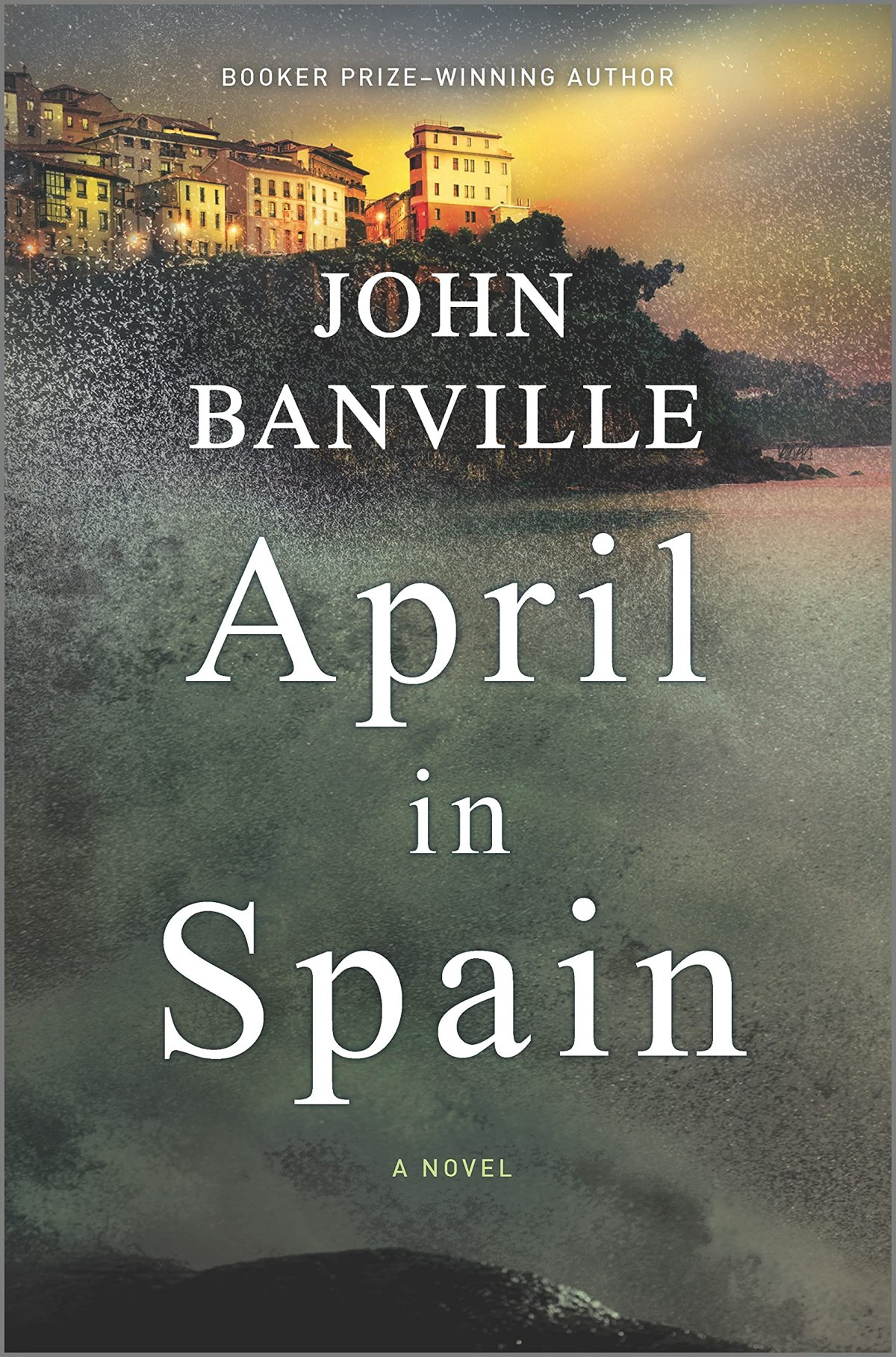
Banville is a superb writer, a Booker Prize winner. This book is a mystery, so the key elements are time (early 1950s) and place (Dublin and Northern Spain). Banville writes beautifully descriptive phrases; a character is described by “petulance was a pastime”. With such good writing, the plot exposition becomes subtle and effortless – very enjoyable.
The Apollo Murders – Chris Hadfield
The accomplished Canadian astronaut has written a very good first novel about Soviet-USA cold war espionage in space in the early 1970s. As you would expect, the story is technically perfect, all about spy satellites and a rocket ship to the moon. Perhaps somewhat surprising, the plot is very good with lots of wicked villains. Very entertaining read.
 What David Read